Fish Species You Can Find and Photograph in the Danube Delta
Discover Danube Delta fish, from pike and perch to zander, carp, catfish and bream. Identification tips and advice for photographing them with care.
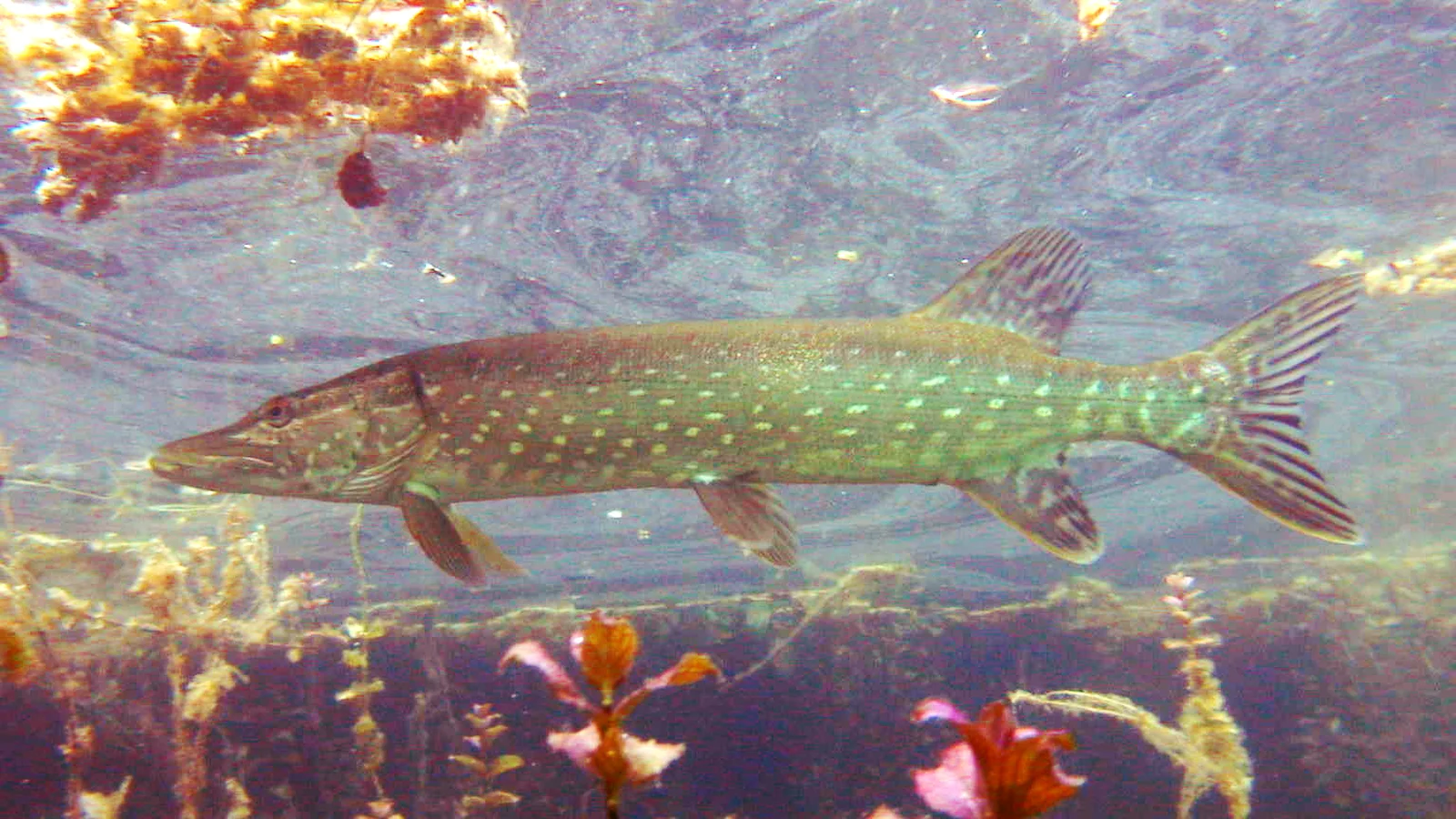

Beneath the surface, the Danube Delta has a world as interesting as its pelicans and reed beds. Pike, perch, zander, carp, catfish and bream are all part of its fish fauna. For a curious visitor, a fish's body shape, fin markings and movements can become the beginning of a story in pictures.
Fish are harder to spot from a boat than birds, however. Murky water, reflections and vegetation can hide even those close to the surface. An ordinary excursion does not guarantee a sighting of any particular species. This article will help you recognise some of the Delta's fish and prepare for photographs when conditions allow.
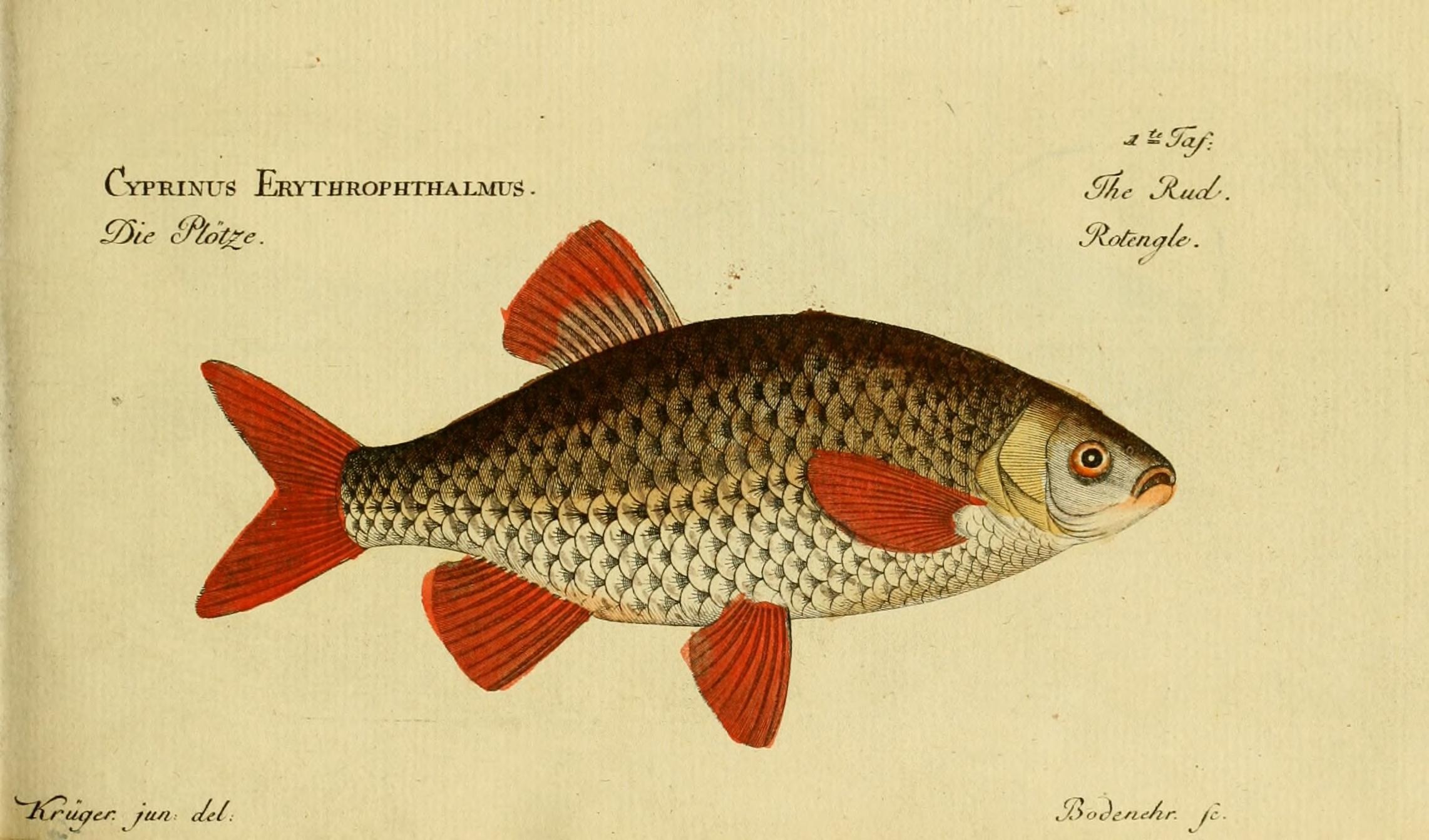
The historic illustrations below come from the work of Marcus Elieser Bloch and are in the public domain. The selected fish face right in side views; the catfish has a curved tail. Plate colours are illustrative, and the printed labels use historical names. Captions give current scientific names.
Where you might see fish
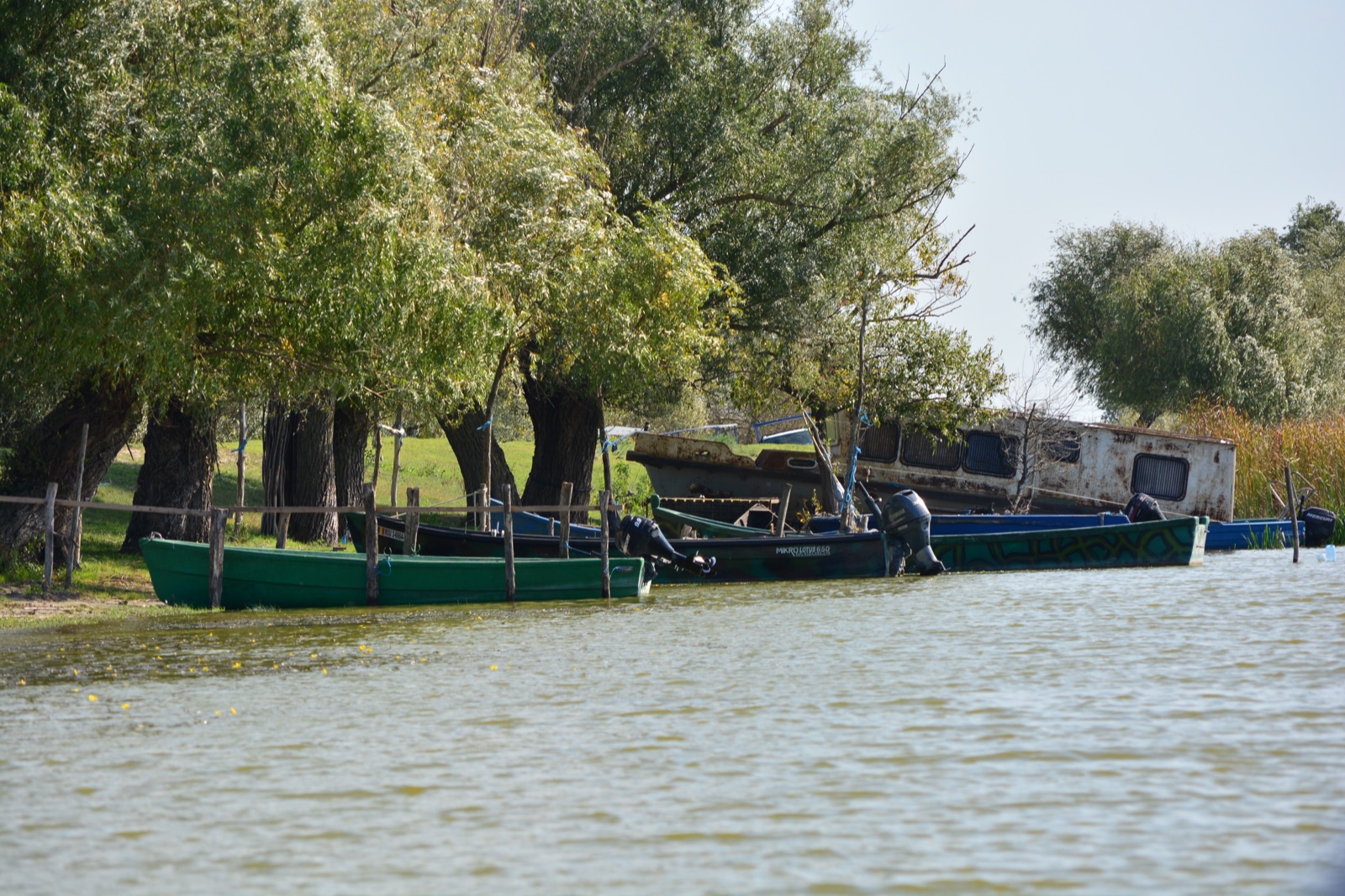

Lakes, canals and the branches of the Danube offer different conditions. In calm water, you may sometimes notice silhouettes beside submerged plants or shoals of small fish near a pontoon. Deep water or suspended sediment makes photography through the surface much more difficult.
The presence of these species in the Delta is documented in research by the Danube Delta National Institute. A species' habitat is not automatically somewhere visitors can enter, though. Stay on permitted routes and ask your guide about conditions on the day of your trip.
Northern pike: an elongated body with pale spots
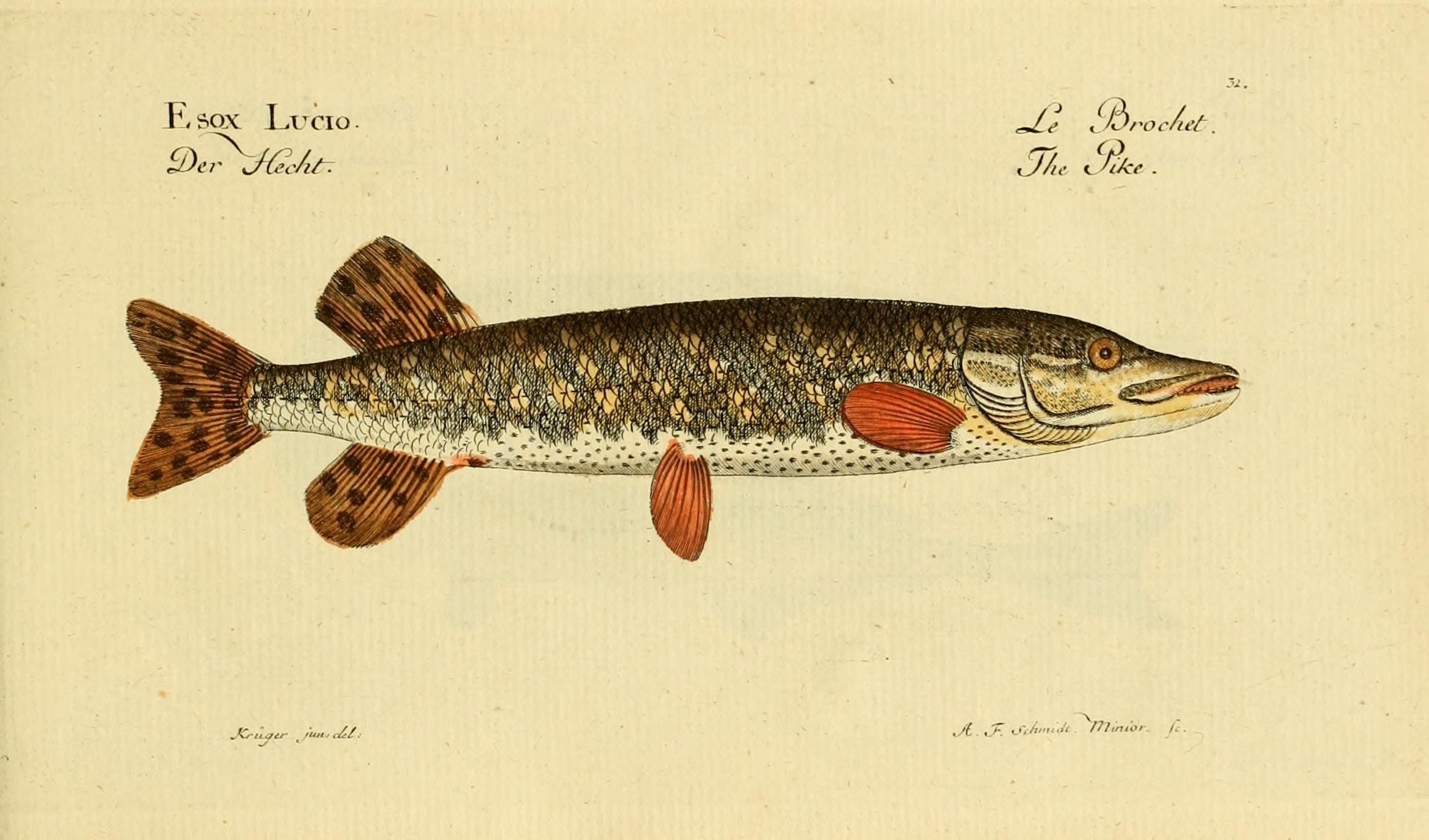

Northern pike (Esox lucius) have an elongated body, a broad snout and pale spots against a darker background. The dorsal fin sits far back towards the tail. This predator's outline is worth looking for near vegetation when the water allows a clear view.
Try to capture the whole fish in profile: the head and dorsal fin position are more useful for identification than a close-up of its scales. The Animal Diversity Web species account provides further identification and biological information.
European perch: vertical bars and colourful fins
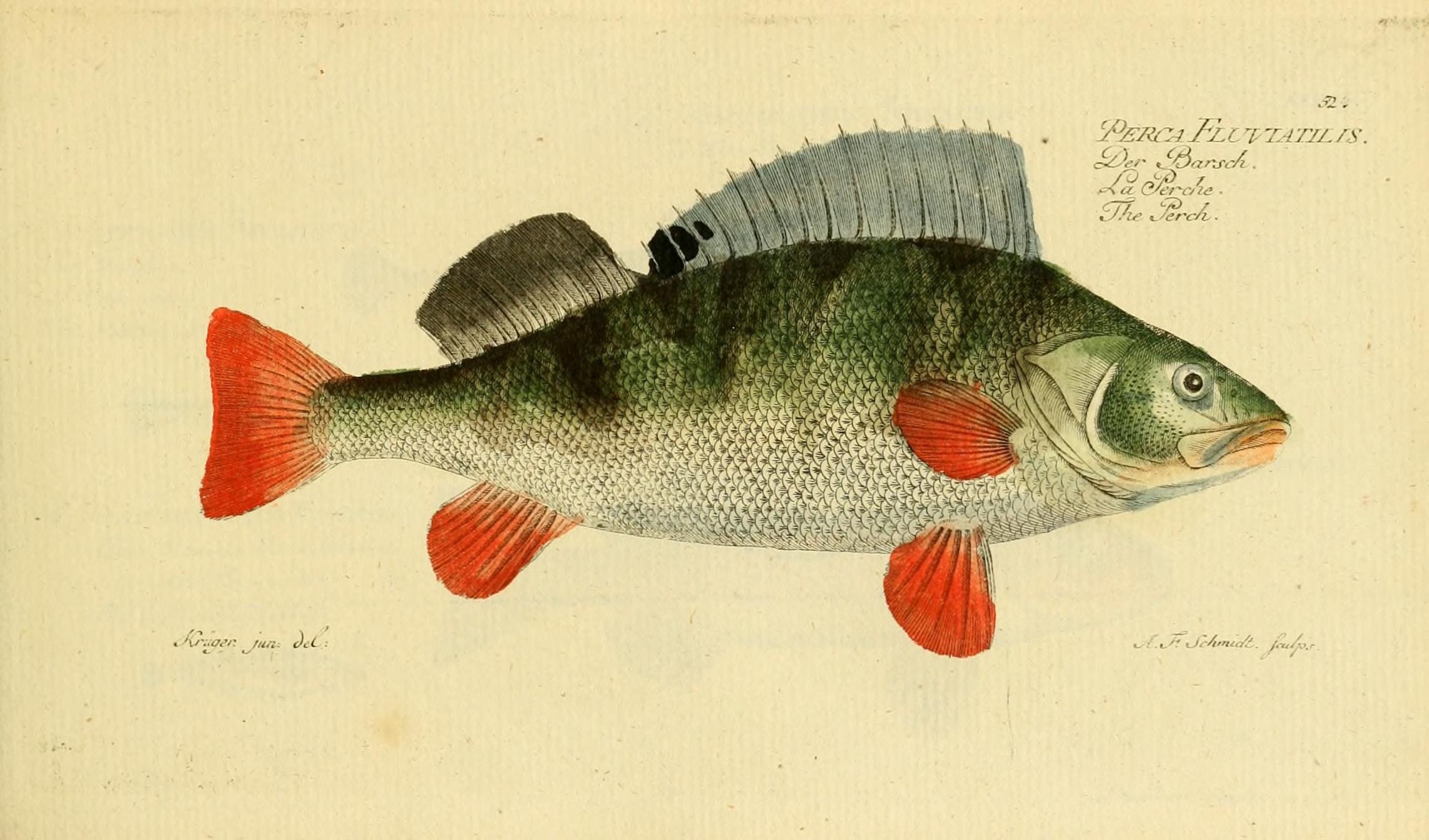

European perch (Perca fluviatilis) have dark vertical bars and orange or reddish lower fins. There are two dorsal fins, the first with spines. Colours vary with the light and the individual, so look for several features together.
A side view can show the bars clearly. If you photograph a group underwater, include some plants in the frame: they provide scale and show the habitat the fish are moving through.
Zander: a slender outline and two dorsal fins
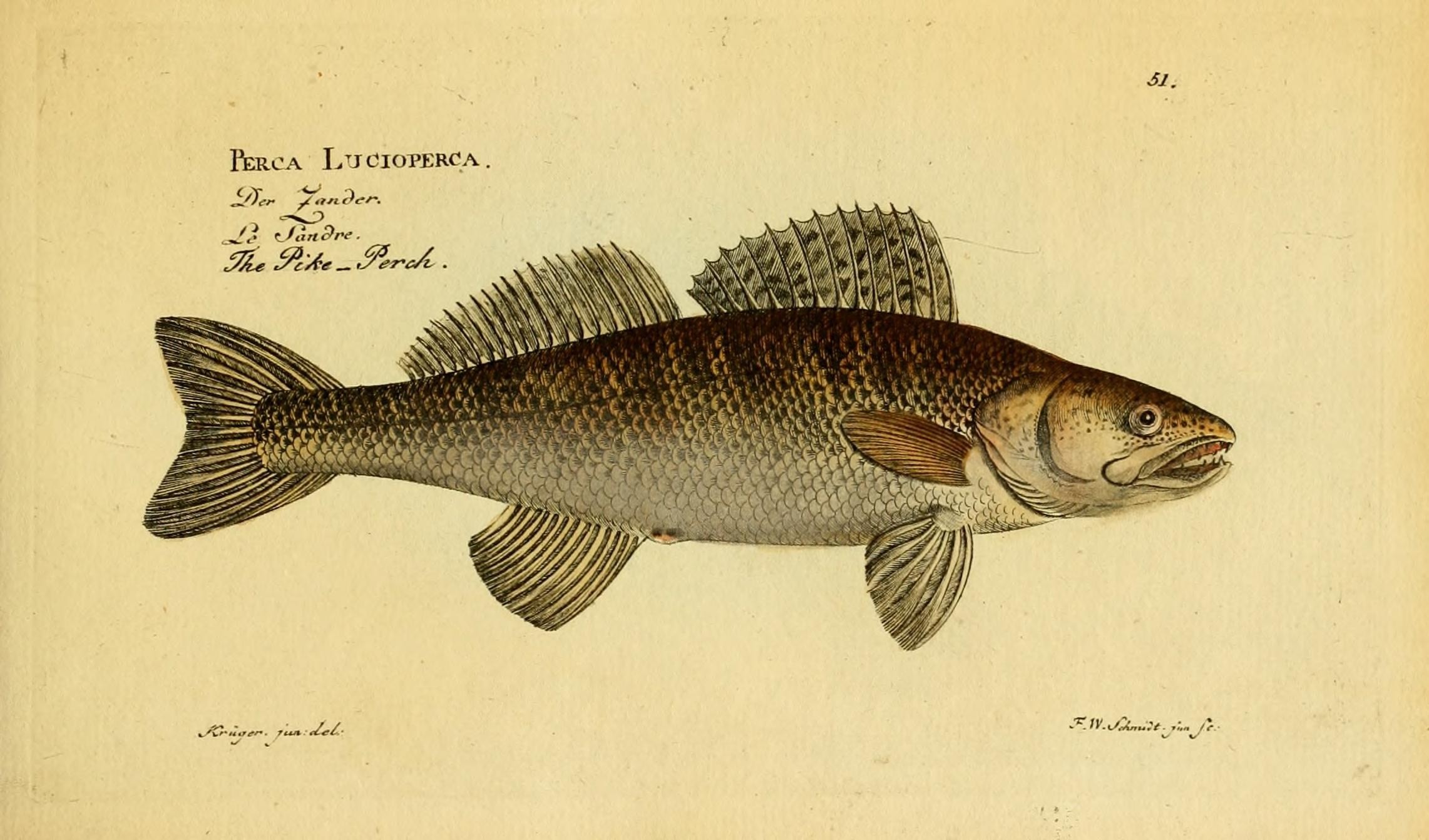

Zander (Sander lucioperca) have a more slender body than perch, two dorsal fins and a mouth with conspicuous teeth. Do not rely only on the markings along the flanks, which can vary in visibility.
For a visitor looking down from a boat, a zander in deep water may remain completely hidden. A clear photograph for identification is an opportunity rather than something a route can promise.
Common carp: large scales and barbels beside the mouth
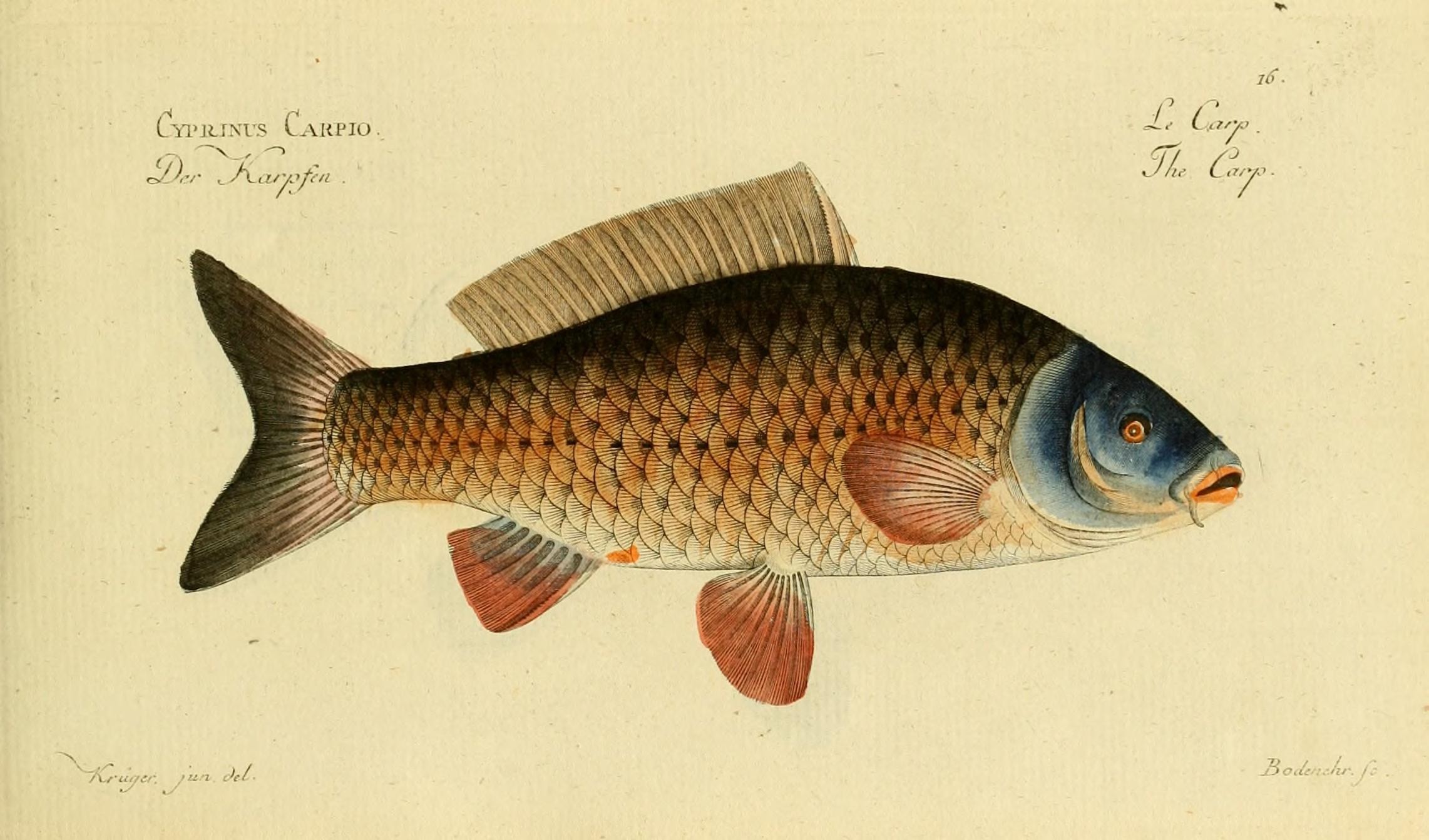

Common carp (Cyprinus carpio) have a robust body, a long dorsal fin and two pairs of barbels beside the mouth. Large scales and bronze reflections may catch your attention, but colour alone does not confirm the species. The barbels help distinguish carp from similar fish such as Prussian carp.
If you spot one in the water, try to keep the head visible in your photograph. For details about body shape and habitats, see the Animal Diversity Web account of common carp.
Wels catfish: a broad head, barbels and scaleless skin
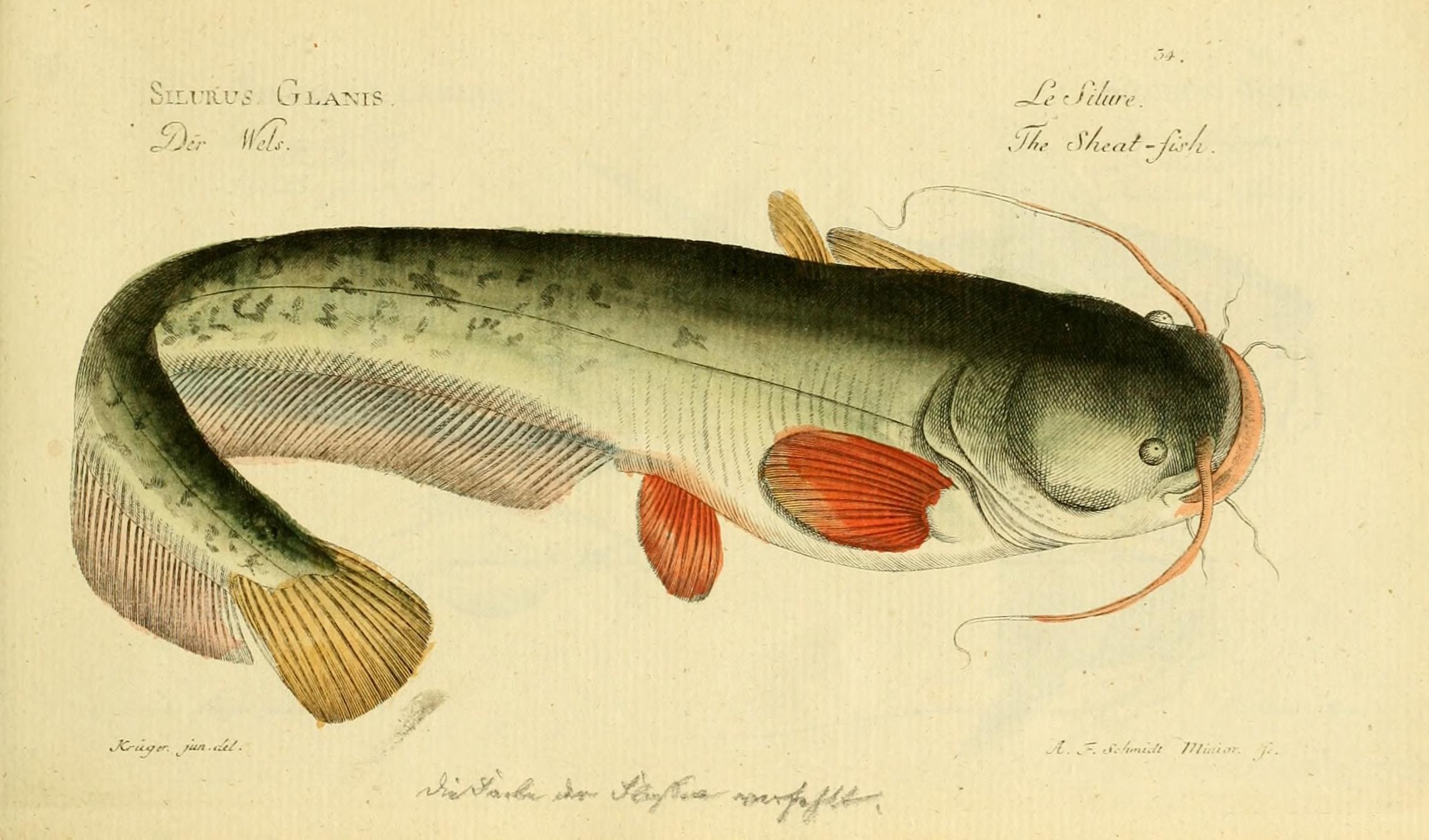

Wels catfish (Silurus glanis) have a broad head, long barbels and a scaleless body. The tail is flattened from side to side, and the skin can look mottled. They inhabit large rivers and lakes, including deep areas where viewing from the surface is difficult.
An image showing the head and body outline is more useful than an extreme close-up. Animal Diversity Web describes these features and the species' habitats.
Bream and other silvery fish: look at body shape
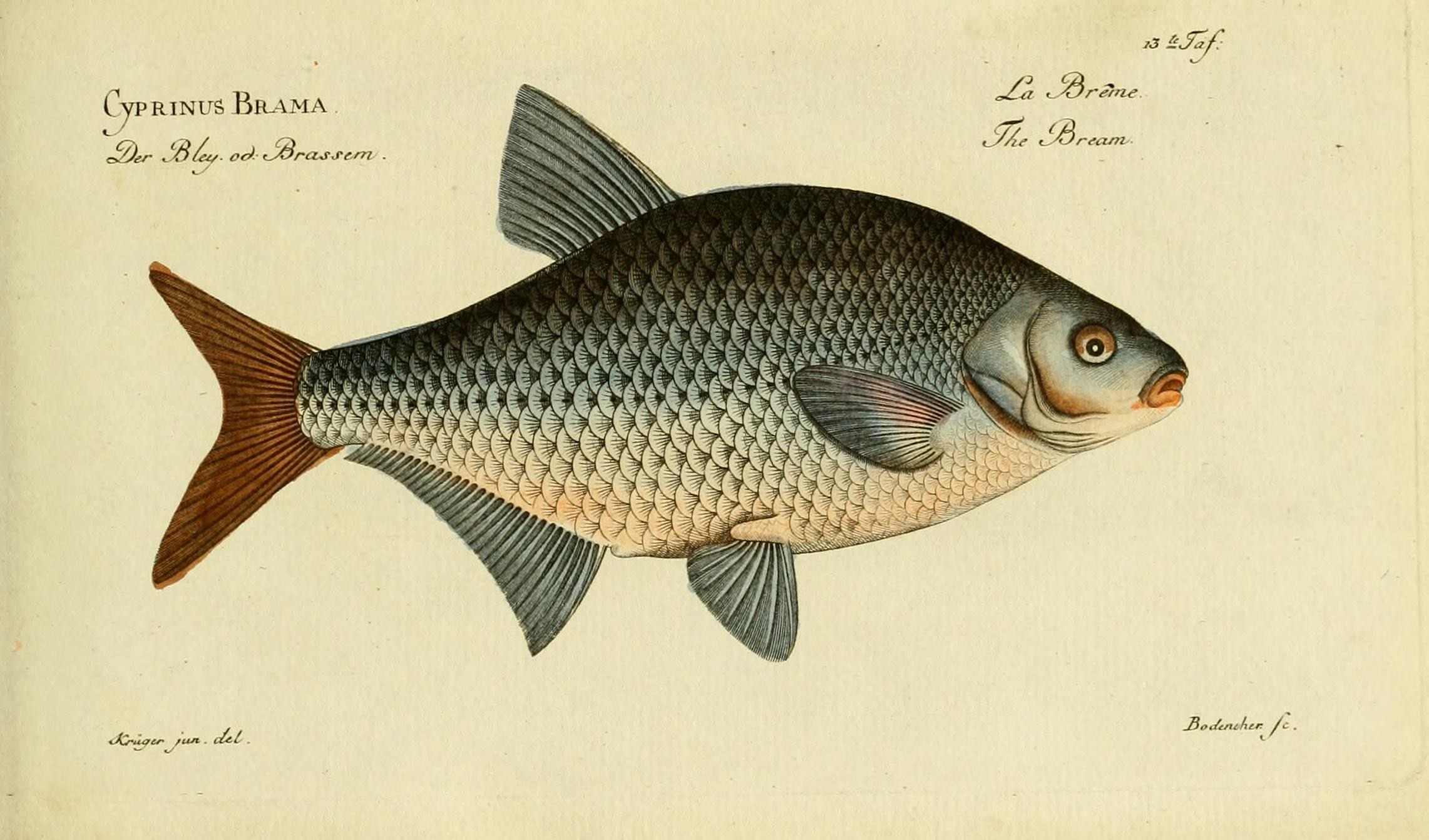

Common bream (Abramis brama) have a deep, laterally flattened body and a long anal fin. Among the Delta's silvery fish are also roach (Rutilus rutilus) and rudd (Scardinius erythrophthalmus). These species appear in data on fish in the Danube Delta Biosphere Reserve.
A red patch or a flash beneath the surface is not enough to identify a species. Take several frames if the fish remains freely swimming, and compare body shape, mouth position and fins. When details are missing, a caption such as “fish in a Delta canal” is more accurate than a guessed species name.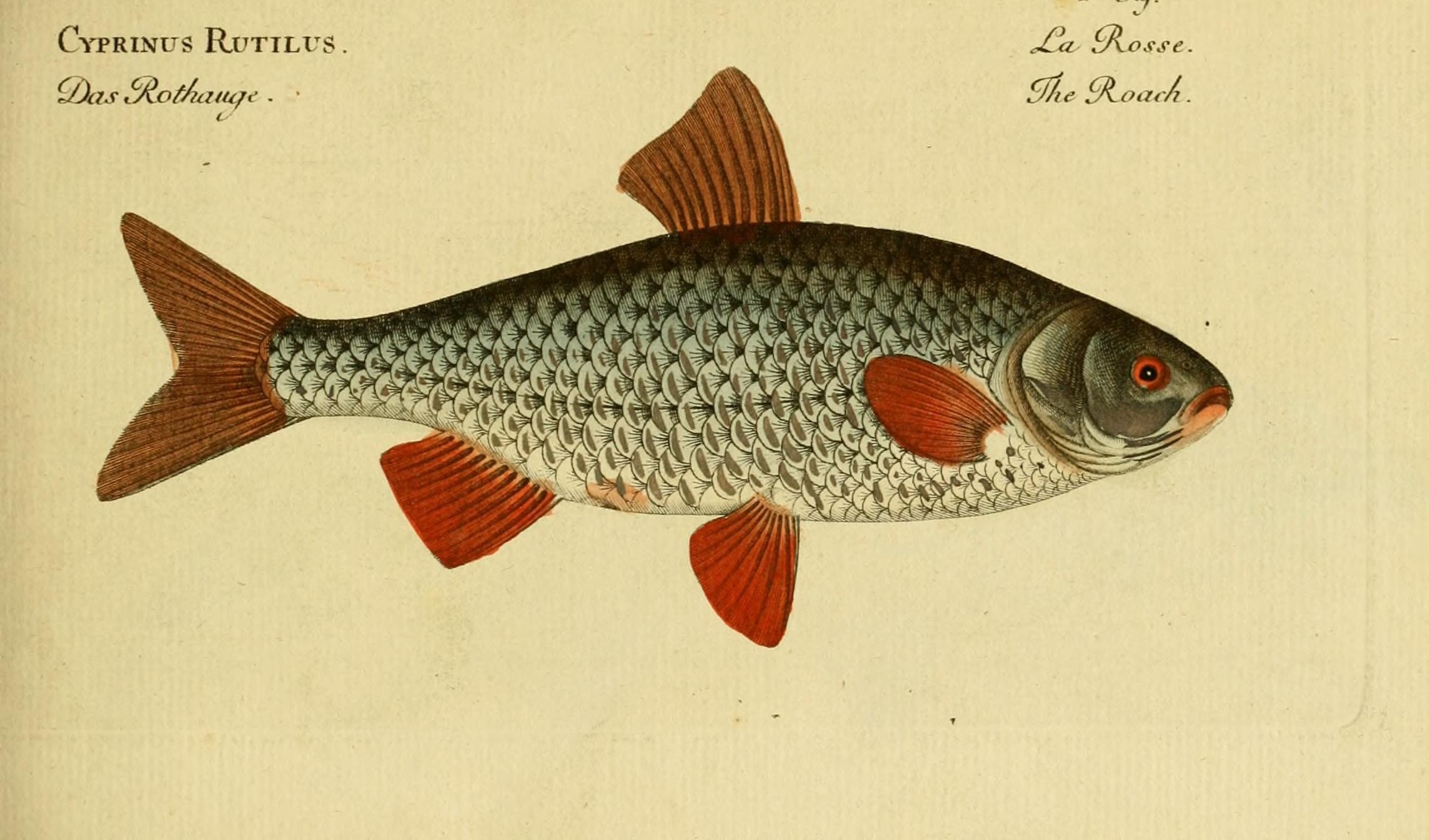


Photographing through the water
You do not necessarily need a large camera. A phone can capture a fish close to the surface if the water is clear enough. A few practical steps can help:
- Adjust your angle to reduce reflections of the sky, and avoid casting your shadow directly over the fish.
- Use burst mode for quick movements and focus on the fish when your camera allows it.
- With a camera, try a polarising filter to reduce reflections; its effect depends on the angle and may require more light.
- Keep your device above water unless it has a suitable underwater housing, and protect it from splashes.
- Photograph from a stable position without leaning over the boat's side or entering the reeds.
Low morning or evening light can make attractive pictures, but wind, water clarity and the sun's angle also affect the view beneath the surface. Request a stop only where the skipper considers it safe and permitted.
Photographing fish with care
Watching fish in the water avoids handling them. Do not catch a fish just for a picture or move fishing gear to see what is inside. Ask people for permission before photographing them or their catches.
If you take part in a permitted fishing trip, prepare your camera beforehand, minimise handling and time out of water, and skip the photograph if it would delay release. Find more advice in our article on responsible fishing.
Sturgeons have special protection: fishing for them in natural habitats is prohibited, and accidental catches must be returned to the water immediately under the order on sturgeon conservation. Do not delay release for a photo session.
Before visiting, check ARBDD's permit information, including photography and filming categories relevant to the purpose of your activity. For fishing, check the current rules and closures separately.
Explore the Delta from Murighiol
Even when fish stay out of sight, canals, reeds and life along the banks offer subjects for photography. Explore our boat trips from Murighiol or contact us for routes and availability. Tell us if nature photography interests you so we can discuss what you might observe in the conditions of your visit.