Responsible Fishing in the Danube Delta: Caring for the Water and Wildlife
A guide to responsible fishing in the Danube Delta: permits, fishing bans, releasing catches, protecting wildlife and respecting local communities.
In the Danube Delta, every fishing trip means more than an encounter with a fish. Around your boat are reed beds, bird colonies, villages and people whose lives depend on the water. Responsible fishing starts with understanding this connection: the pleasure of a day spent here should leave room for the days to come.
You do not need a spectacular catch to have a rewarding experience. You need preparation, patience and care for what you leave behind. From choosing a spot to collecting the last piece of line, small actions show respect for the Delta.
Start with the documents and local rules
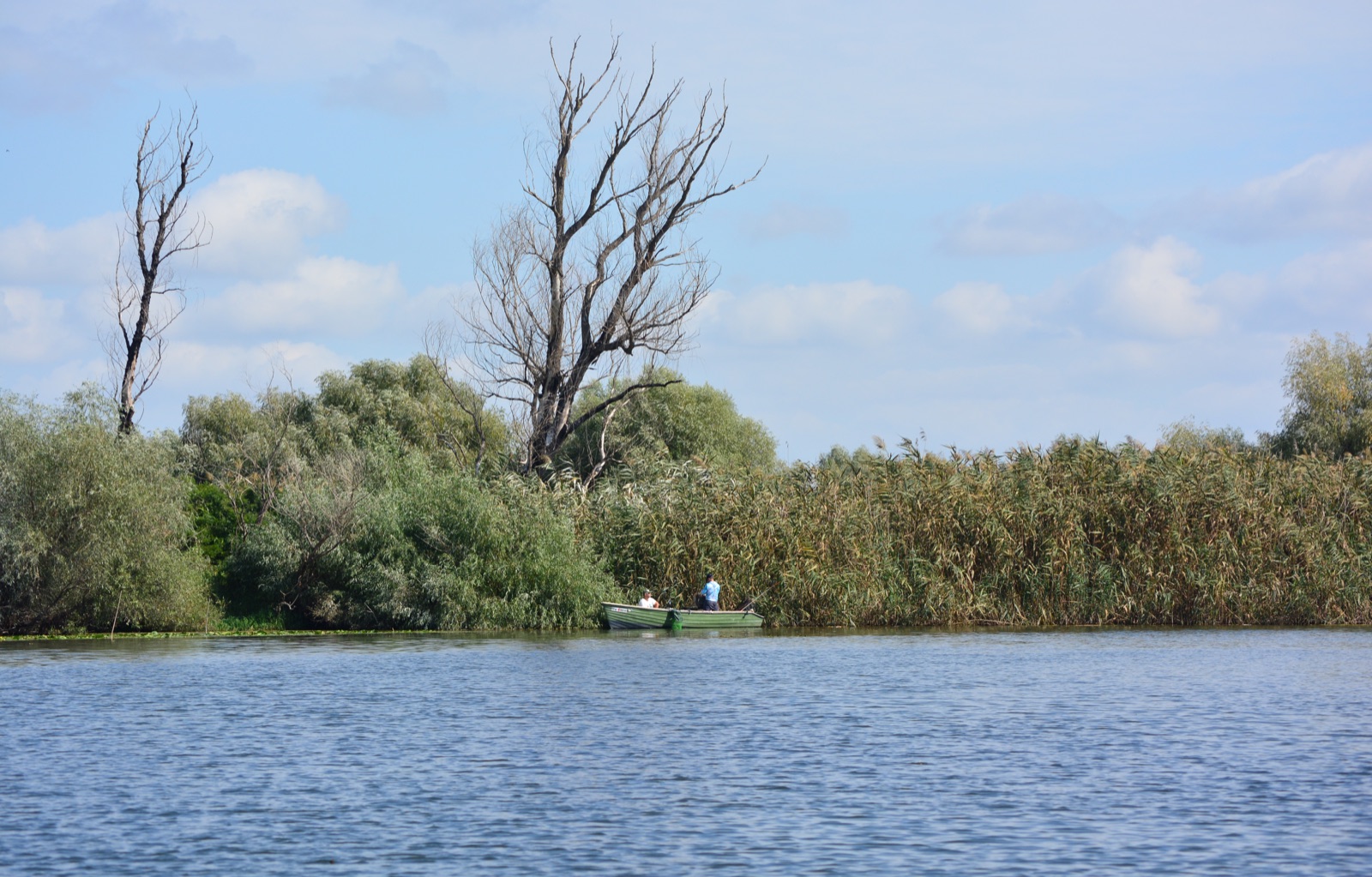

Before preparing your rods, check which documents you need for your chosen route. Within the reserve, the recreational fishing permit issued by the Danube Delta Biosphere Reserve Authority (ARBDD) is valid together with the tourist access permit. Information and options for obtaining permits are available on the official ARBDD permit platform. Check boat requirements and any formalities that apply to the border area separately.
Do not assume that a permit allows you to fish everywhere. Access to an area and permission to fish there must be checked separately. Keep your documents handy and decide on the exact location before setting off. An online recommendation does not replace information from the authorities.
Respect fishing bans and protected areas
Responsible fishing sometimes begins with deciding not to cast your line. Closed seasons protect breeding fish, and restrictions vary by species and area. Some places also have permanent fishing bans. Neither autumn nor the absence of other anglers is proof that a canal is open to fishing.
Consult the current version of the order on fishing closure periods and areas and ARBDD announcements before every outing. Check the species covered, minimum sizes, catch limits and special release requirements. Planning to release every fish does not allow you to ignore a ban. If the information is unclear, ask the authorities for clarification and choose a permitted activity in the meantime.
Prepare your equipment for careful handling
Choose tackle suited to your target species and conditions on the water. Damaged line or an unsuitable rig can unnecessarily prolong the fight and leave hooks in the water. Check your knots, reel drag and accessories before departure, then check again if you notice any wear.
Keep a suitable landing net, unhooking pliers and a clean, wet surface close at hand for situations where handling a fish out of the water is necessary. Have everything ready before your first catch. Searching through your backpack for accessories with a fish already hooked wastes precious time and increases the risk of careless handling.
Release your catch with care
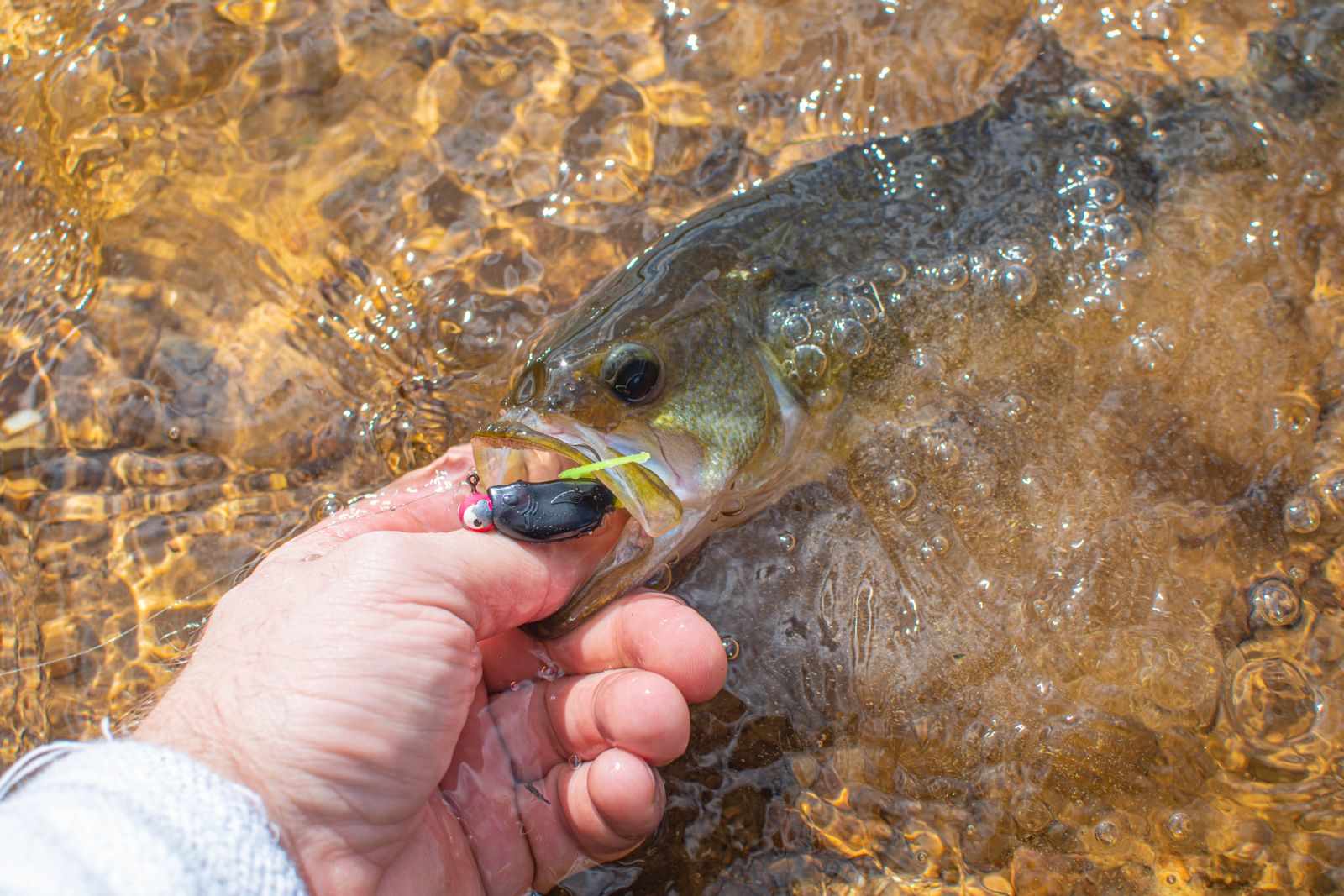
Releasing a catch takes care, rather than simply taking a photograph and putting the fish back. Minimise time out of the water, wet your hands and support the body without squeezing. Avoid touching the gills, and do not place the fish on sand, hot stones or the dry floor of the boat.
If you want a photograph, have your camera ready beforehand and avoid repeated shots. Keep the fish close to the water so that an unexpected movement does not cause a fall from a height. Do not throw it towards the surface. Lower it gently and let it swim away under its own power. A fish being released deserves the same care as one you have waited hours to catch.
Leave the bank clean and keep noise down
Fishing line, hooks and packaging do not disappear when the boat leaves. They can injure birds and other animals or become tangled in someone else's equipment. Collect discarded line in a closed container, put used hooks in a secure box and take all your rubbish with you to a collection point.
Keep your distance from birds, nests and other animals. Do not enter the reeds for a better casting angle or turn a quiet bank into a noisy spot. Avoid loud music and unnecessary trips with the engine running. If you notice that your presence is disturbing wildlife, move elsewhere without approaching for photographs.
Put safety before a catch
Weather and water conditions can quickly change your plans for the day. Check the forecast, discuss the route with the skipper and wear your life jacket. Bring drinking water, sun protection, clothing suitable for windy conditions and a phone protected from moisture. Let someone know where you are going and when you expect to return.
Do not insist on staying on the water when storms, poor visibility or other unsafe conditions develop. Cutting a trip short can be a good decision. The same principle applies to fatigue and alcohol: the skipper's alertness and the balance of everyone aboard matter more than one more cast.
Respect local people and village life
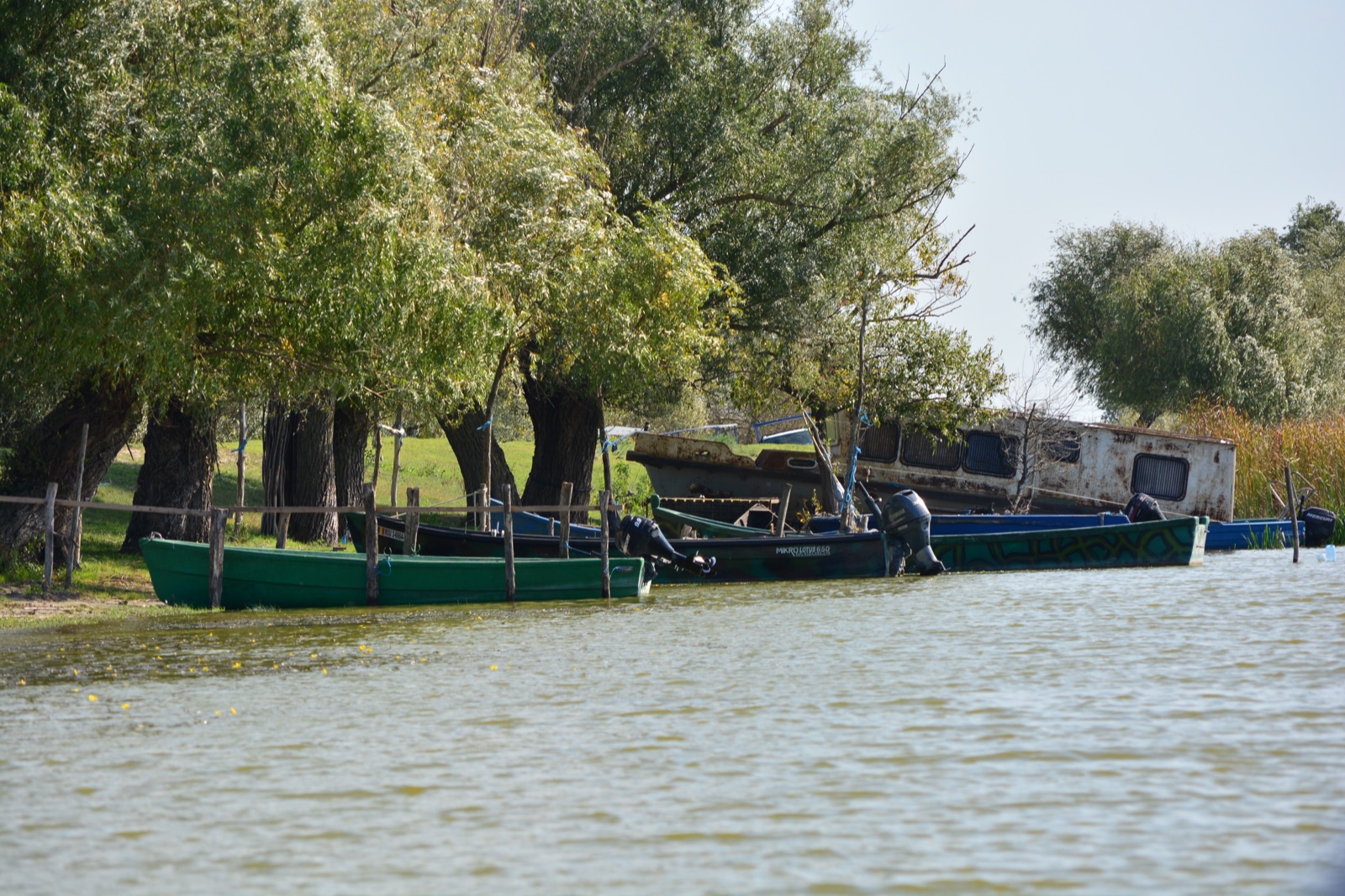

The Delta is a place where people live, as well as a place to visit. Respect local people's pontoons, boats and equipment, ask permission before crossing private property and avoid blocking access to the water. Do not approach fishing gear to move or inspect it. A spot that appears unused may be part of someone's daily work.
Choose local services and ask about local customs, without confusing an angler's experience with official permission. A conversation on a pontoon can teach you a great deal: how the water changes, why certain banks are fragile and how much patience an ordinary day here requires.
It is also worth deciding before you leave home what a successful day means to you. It might be tying your first proper knot, spotting a bird or learning a technique at your own pace. When catching fish becomes the only goal, it is easier to ignore the weather, fatigue or the limits of the place. Make room for breaks and for returning without a fish.
If you are bringing a child or a beginner, explain each action by setting an example. Show them how to collect broken line, why hands should be wet and when the rod should stay in its case. Do not turn a mistake into a competition or a source of embarrassment. Patience learned on the water can become care for nature beyond a holiday. In this way, the Delta experience lives on through habits practised on every outing, however far the next stretch of water is from home.
Ultimately, a responsible fishing trip is also measured by what remains: a clean bank, undisturbed wildlife and respect for the rules. If you are planning a visit, explore our boat trips from Murighiol or contact us for information about routes and availability. Stay curious, check the rules and give the Delta the time it needs.